- Curriculum Information Year 6 Autumn 2026 (131.01KB)
- Curriculum Information Year 6 Summer 2026 (127.93KB)
- Curriculum Information Year 6 Spring 2026 (124.14KB)
- Year 6 Objective Map - Maths Curriculum (50.14KB)
- Year 6 Maths Information for Parents (107.60KB)
- Year 5/6 Reading Information for Parents (517.24KB)
Learning Links
Sep 232026
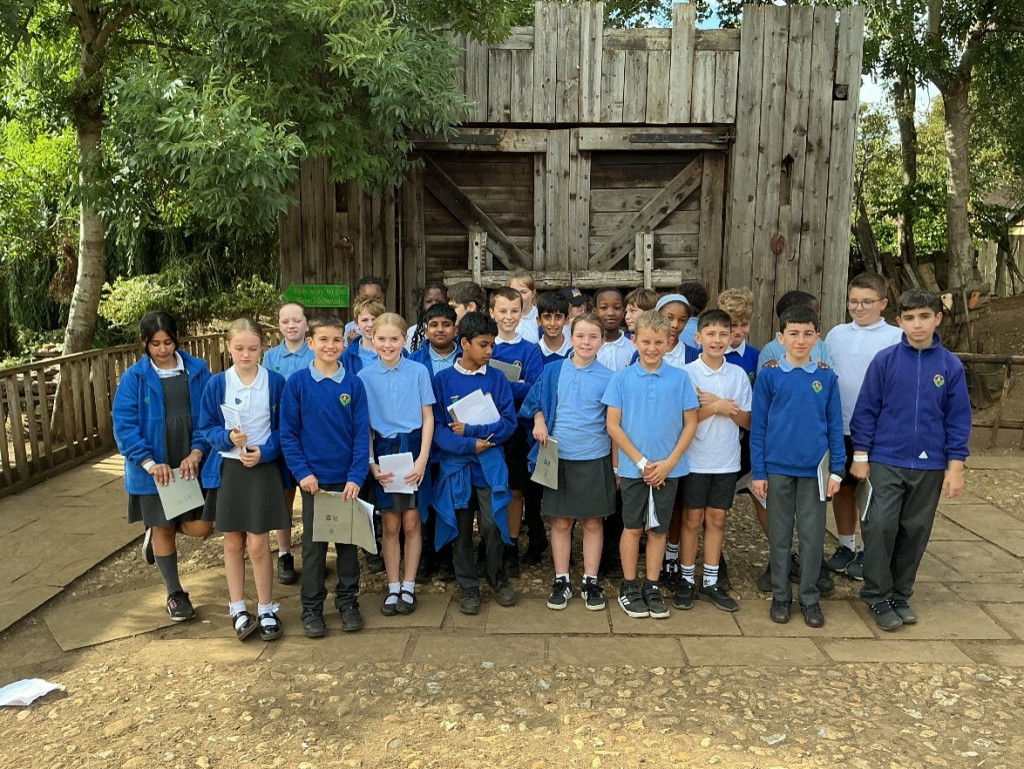
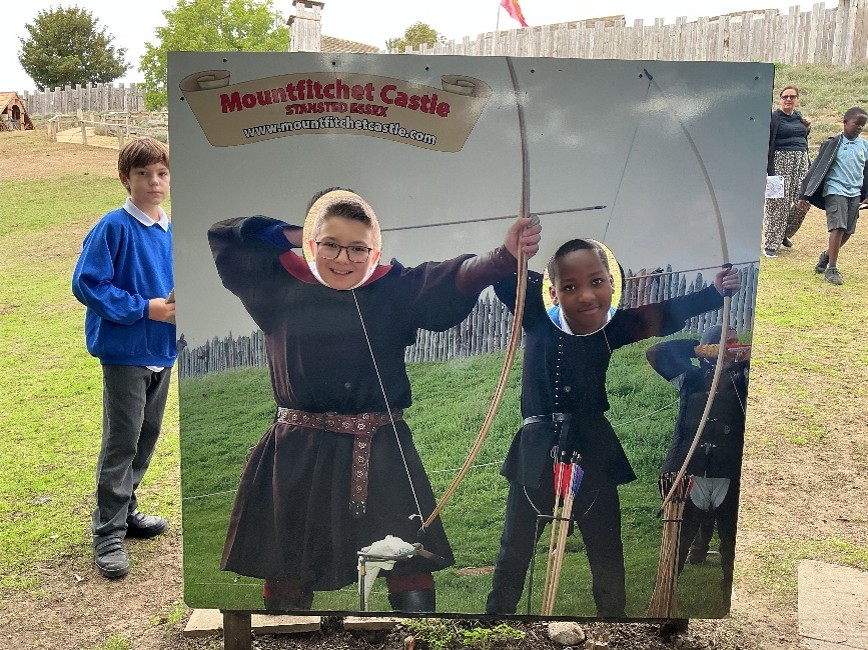
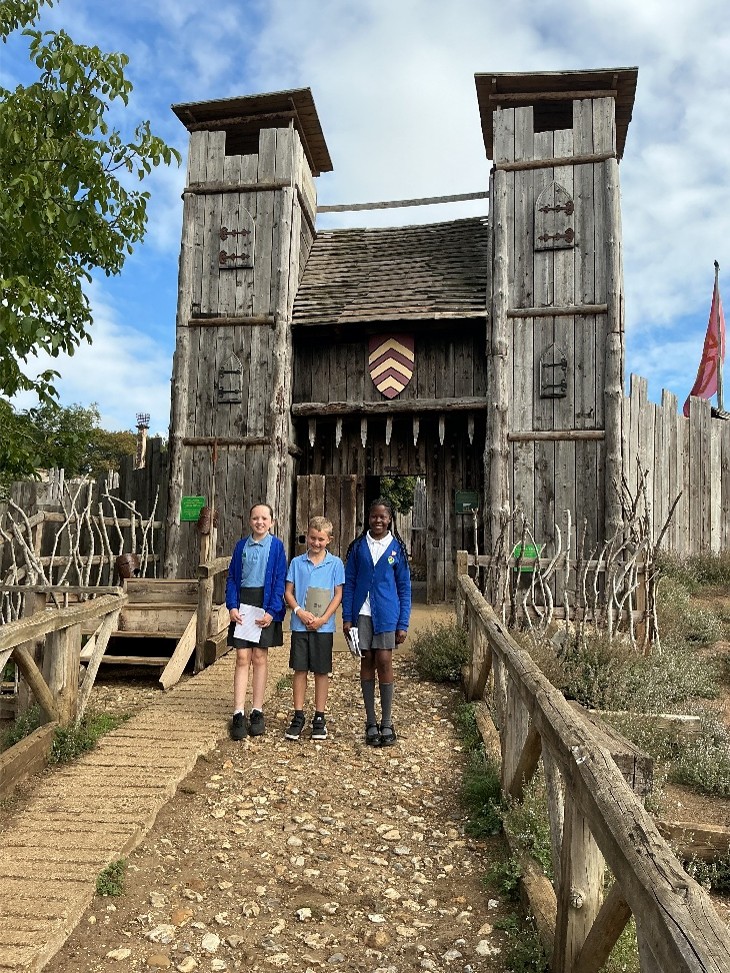
Trip to Mountfitchet Castle
Class 6 had a fantastic day exploring Mountfitchet Castle. They spent both the morning and afternoon discovering all the different areas of the castle and learning about how they were used in medieval times.
The castle was divided into zones, which helped everyone move around smoothly and made sure each group had plenty of time to investigate every feature. Working in groups, the children used a blank site map to sketch what they saw and make notes about whether each feature was used for attack or defence, as well as recording other interesting facts they discovered along the way.
Of course, no school trip would be complete without a funny moment! One of the castle goats decided that one of the year 6’s jotter looked like a tasty snack and promptly stole it. As the goat attempted to eat the evidence of all that hard work, Mrs Martindale gave chase. Thankfully, the jotter was rescued before becoming lunch, although the goat seemed rather disappointed.
Class 6 will continue to investigate the Normans and how 1066 changed English history to celebrate the Bayeaux Tapestry visiting the UK.
-
Jul 092026
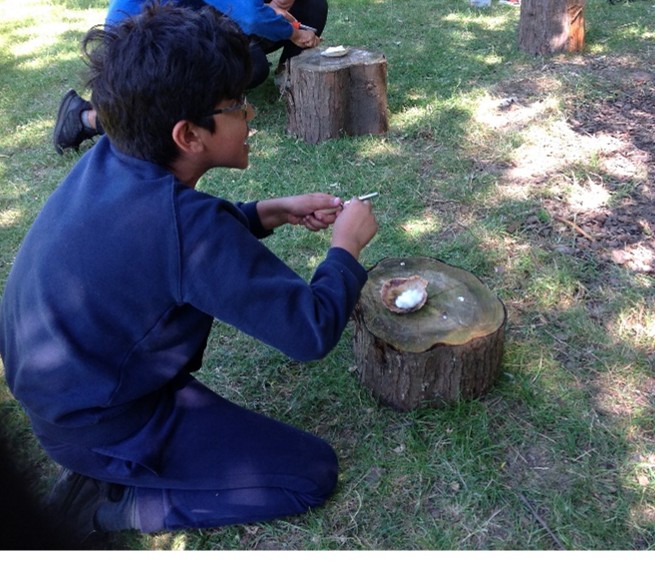
Fire Lighting Skills
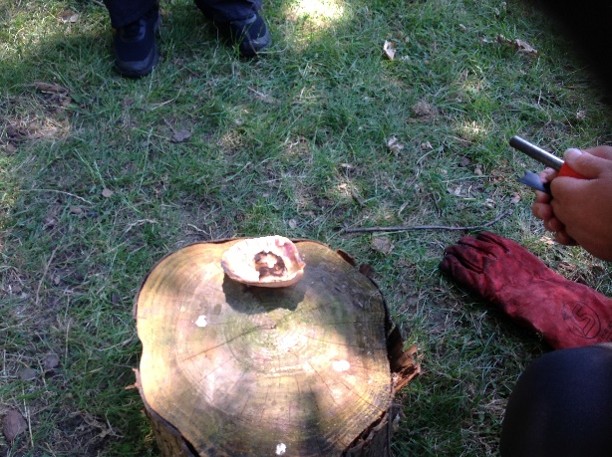
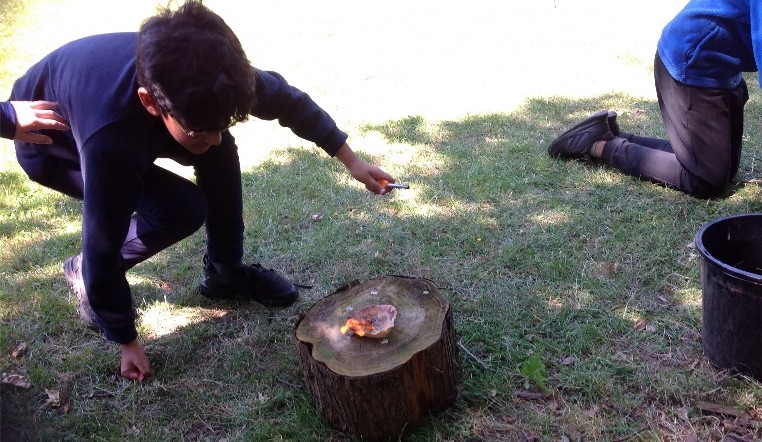
After recalling the 3 points on a Fire Triangle and a safety talk, the pupils learnt the ‘Respect’ kneeling position when lighting a fire to help keep them safe and different types of Fire Steel and strikers were demonstrated.
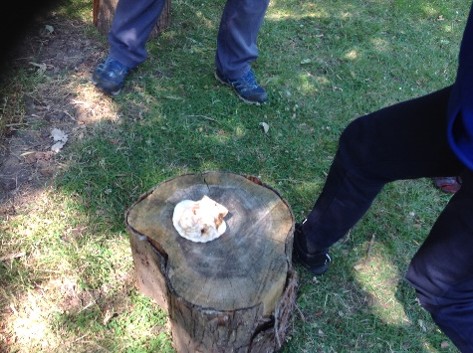
After teasing out their ball of cotton wool, we practiced a technique to create a spark which would then ignite the cotton wool.
This skill was new to many of the pupils and they showed perseverance in practicing the skill and were delighted when they managed to cause the flame on the cotton.
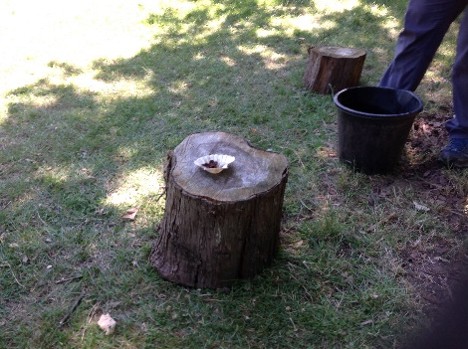
When the cotton wool was alight, they stood back to watch for when the fire was safely out.
-
Jun 172026
Tudor Trail at Knebworth House
Year 6 had a fantastic day out at Knebworth House. In the morning, they took part in the Tudor Trail, where they explored the beautiful house and learned all about life in Tudor times. The children had the opportunity to look at calligraphy, coats of arms and heraldry, and Tudor dress, which helped bring the period to life. The historians leading the trail were very impressed with their knowledge of the Tudor kings and queens.
In the afternoon, they made the most of the grounds by heading to the adventure playground. Everyone had great fun climbing around the fort and zooming down the slides, showing lots of energy, teamwork, and enthusiasm.
-
Mar 182026
K’NEX STEM Challenge
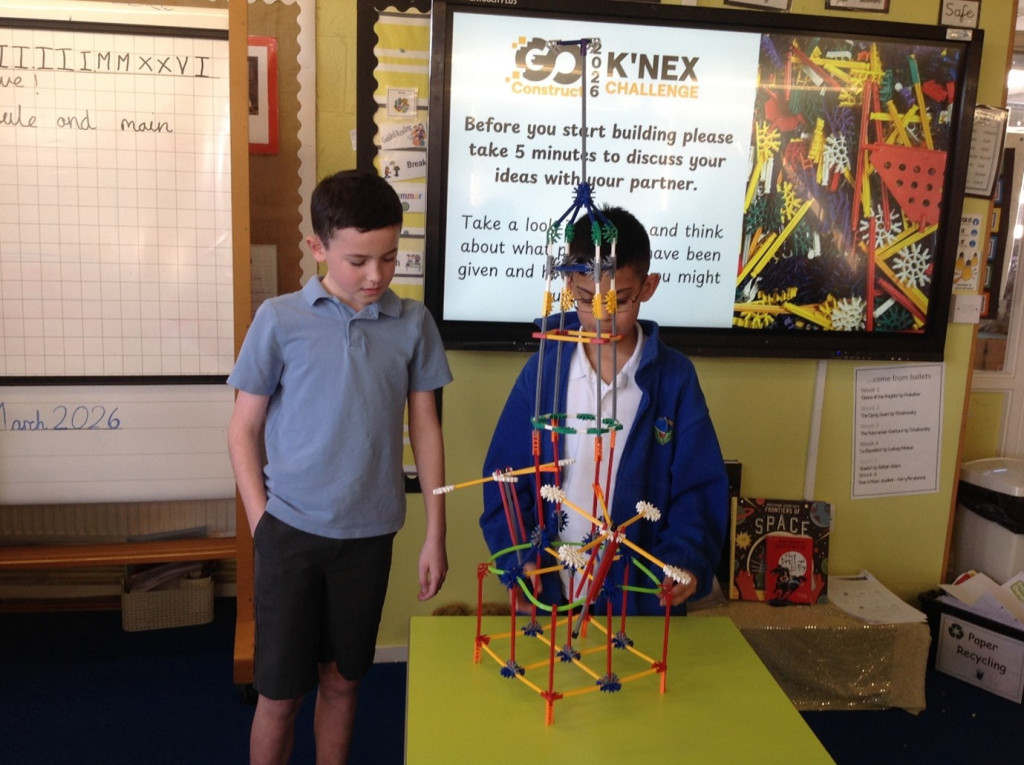
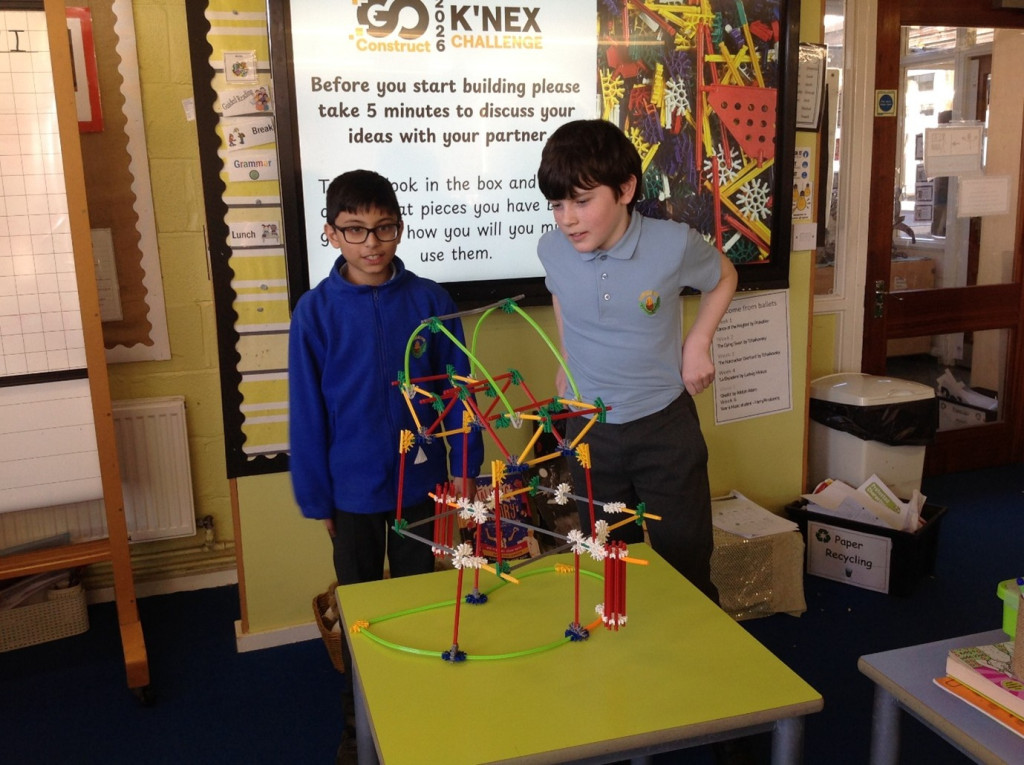
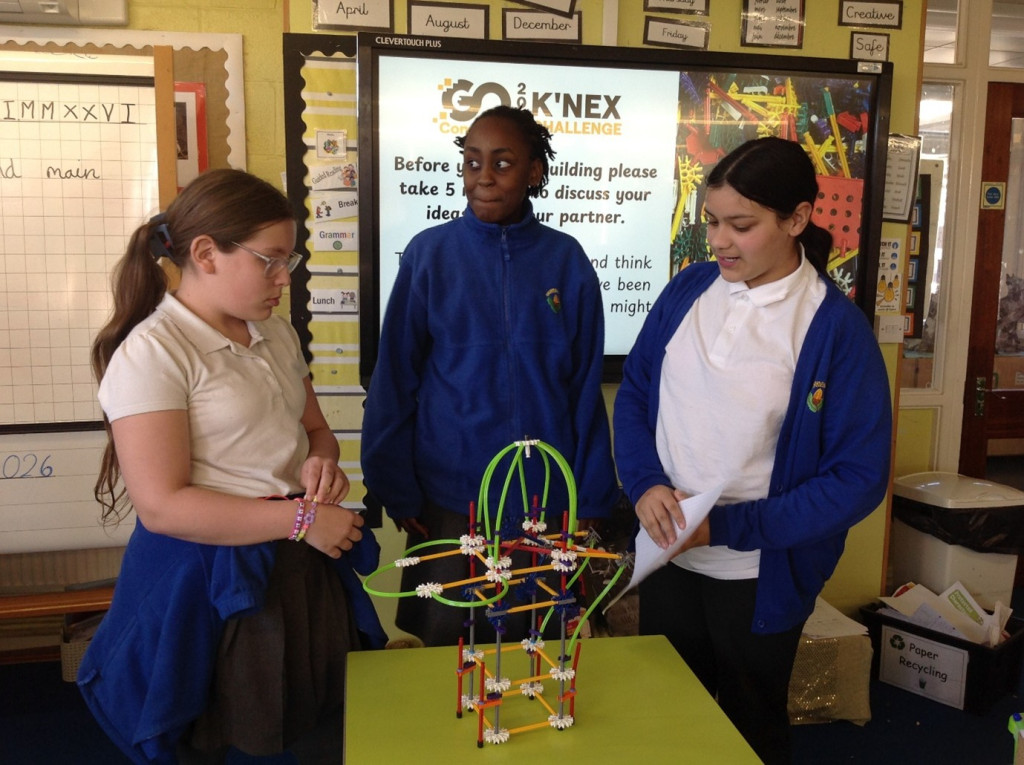
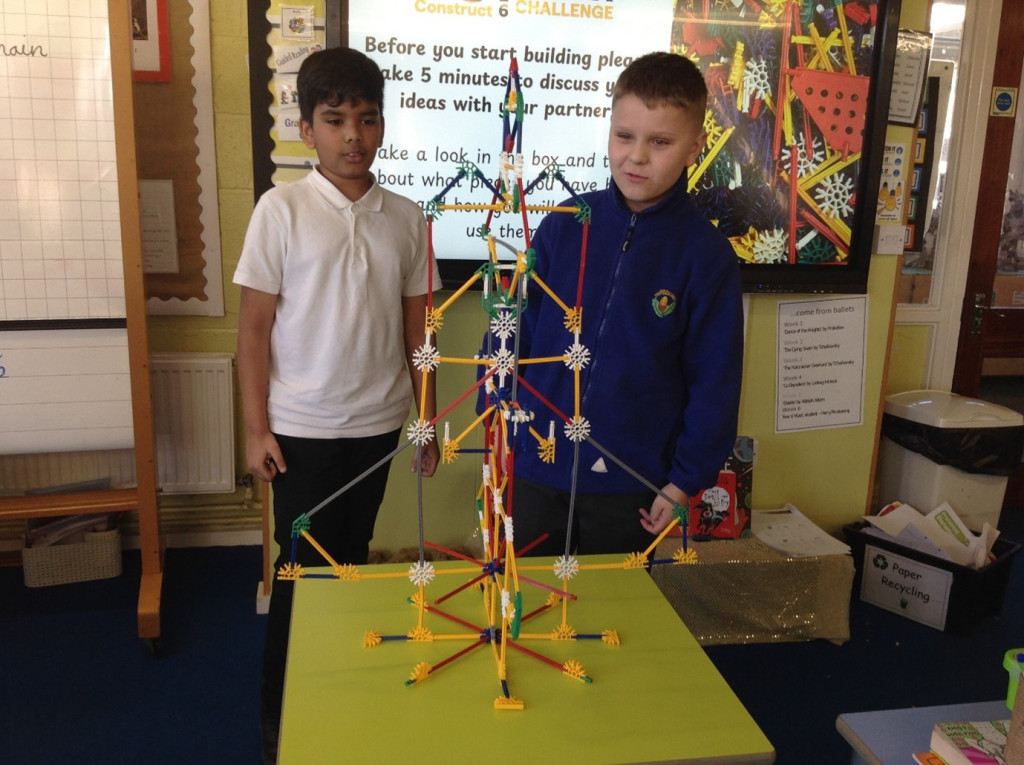
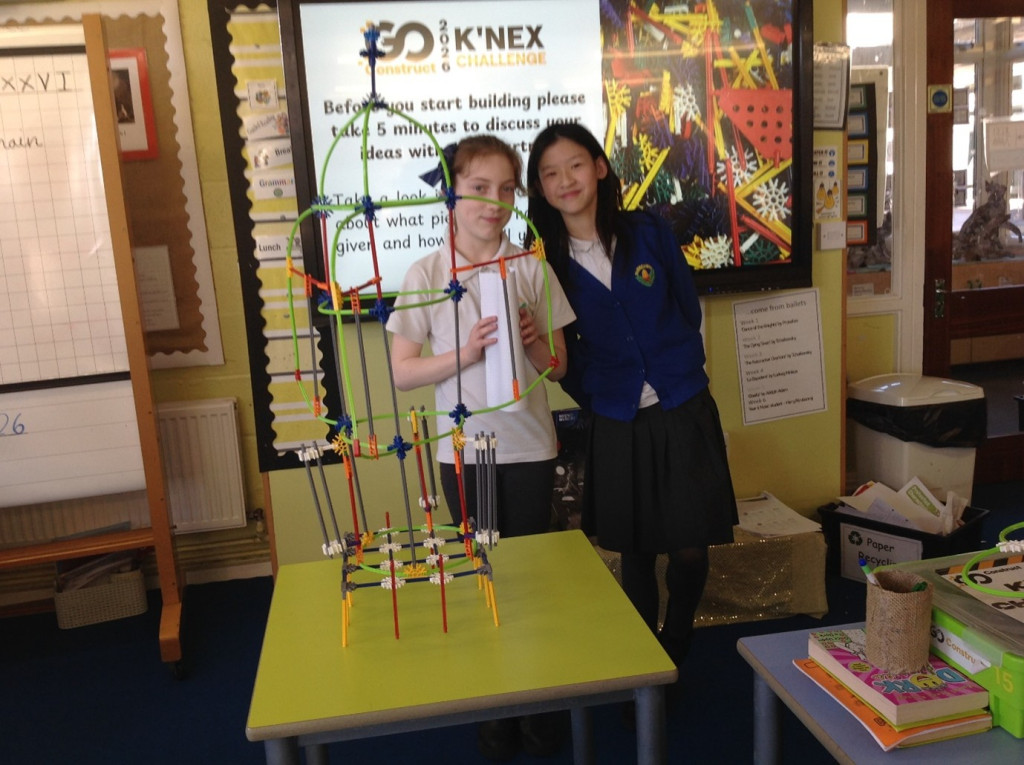
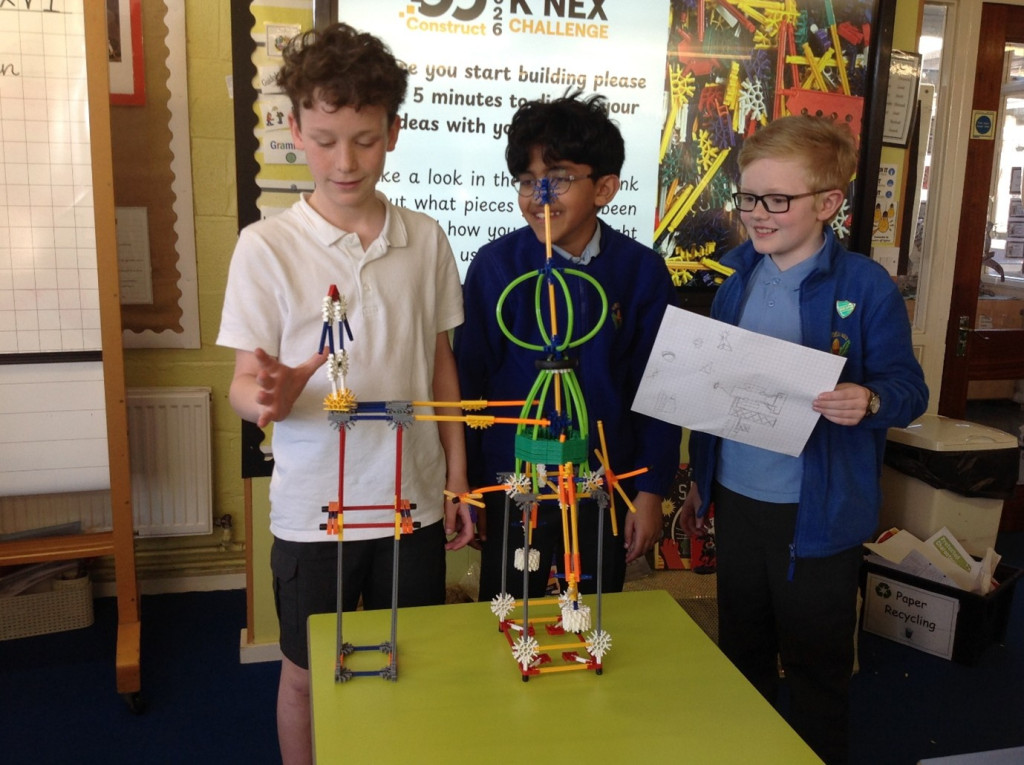
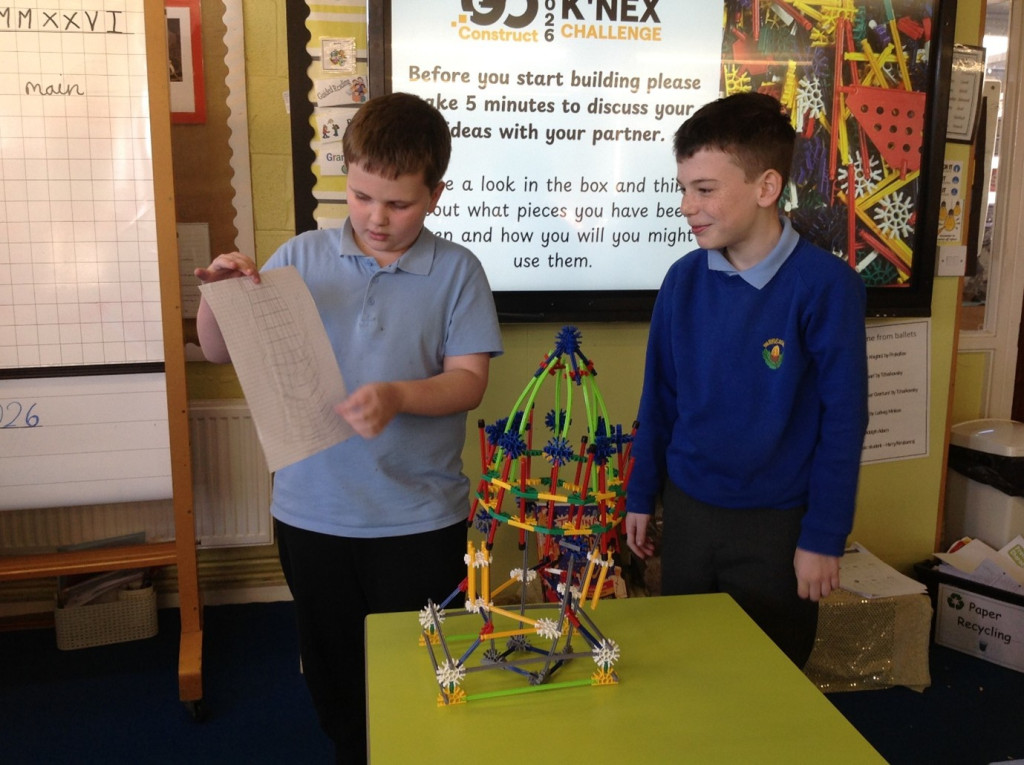
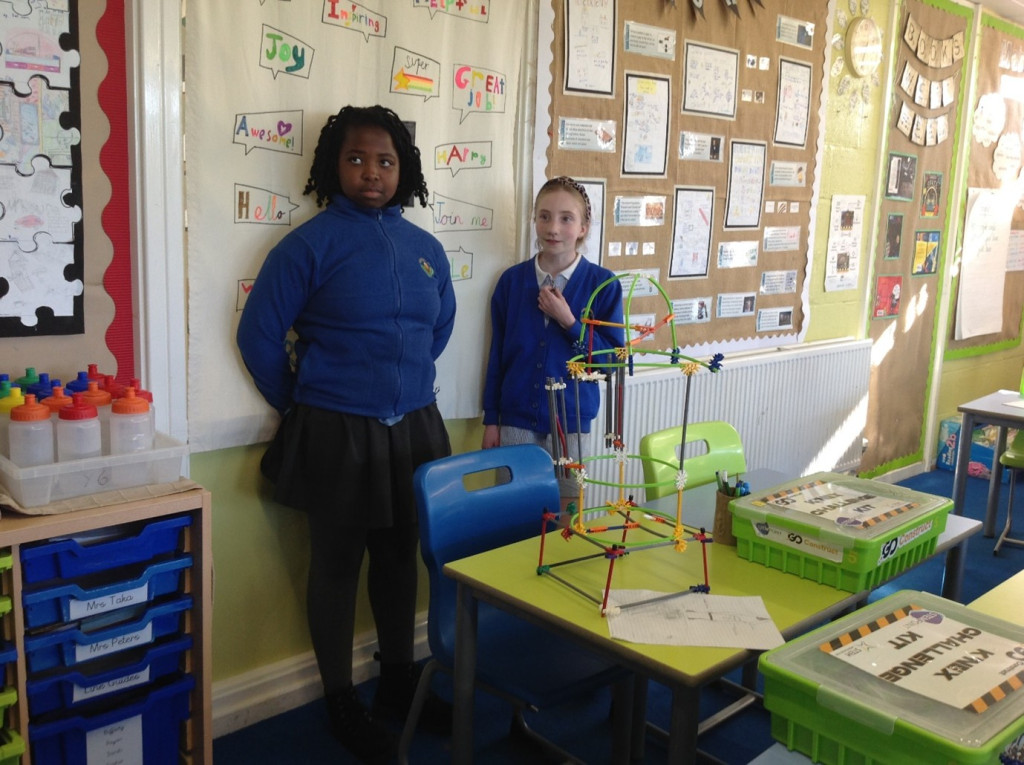
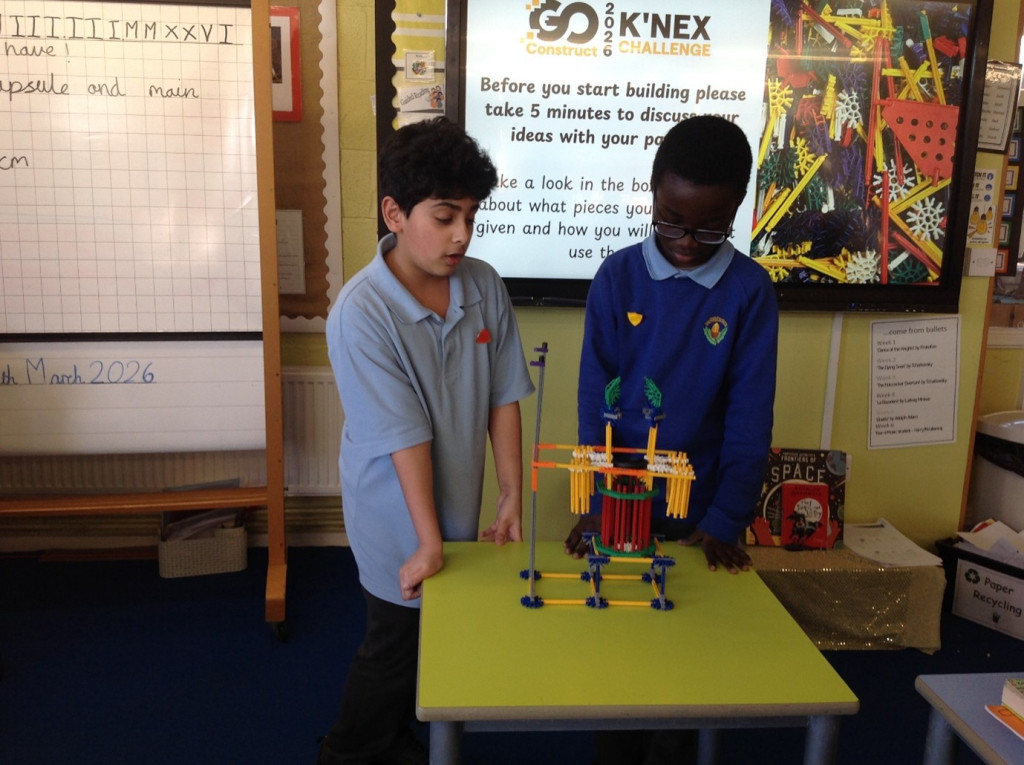
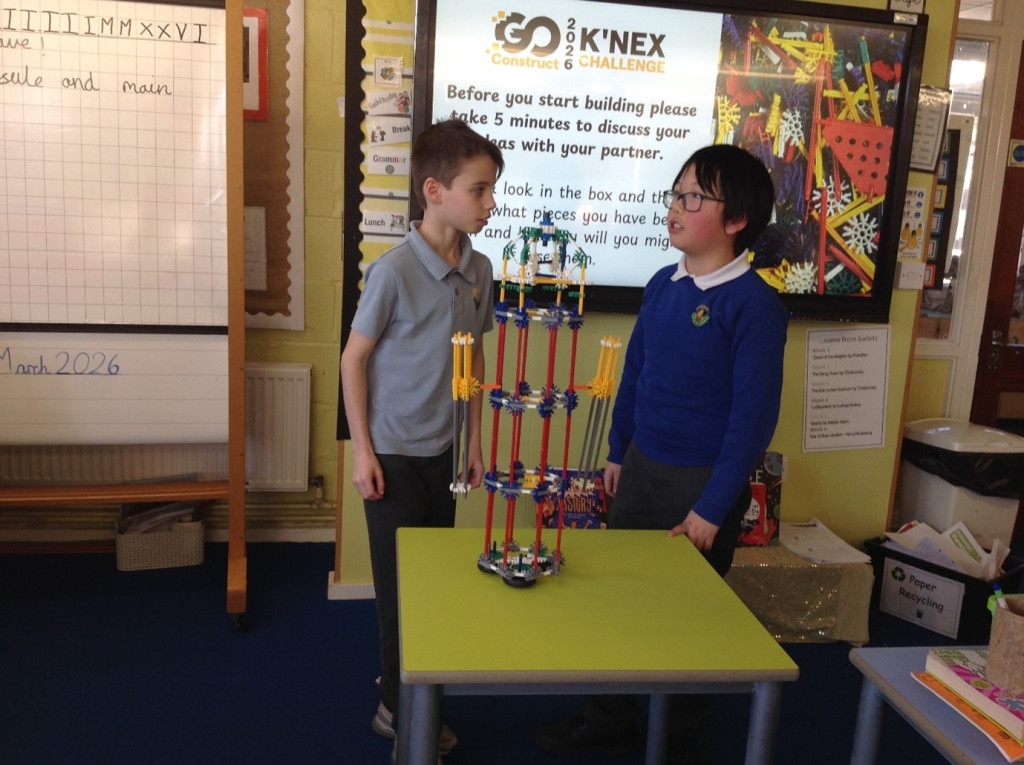
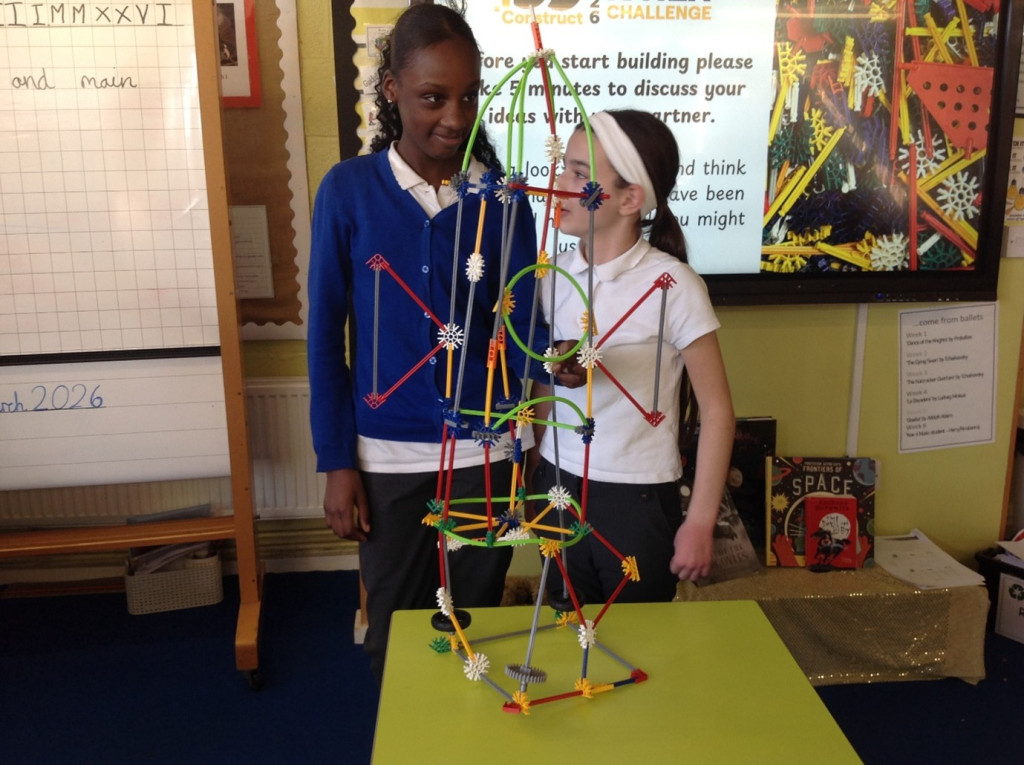
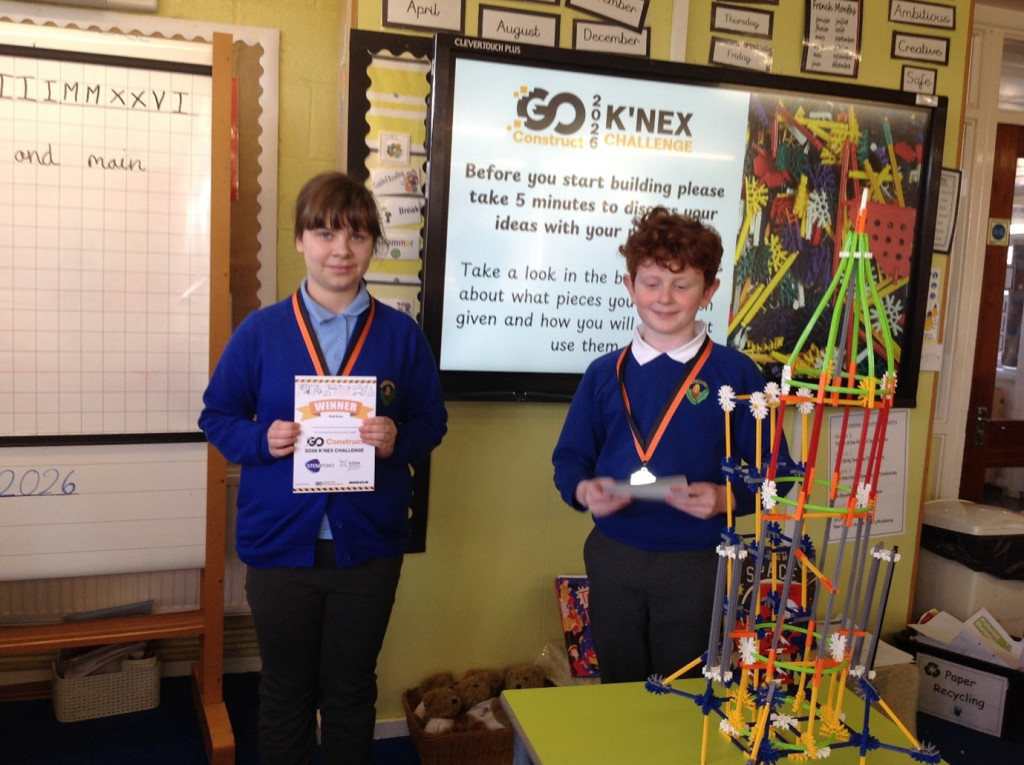
Class 6 took part in the annual K’NEX Challenge, a competition held across the county. Taking inspiration from recent space exploration projects, this year’s task was to design and build a rocket ship.
Class 6 had one hour to construct a rocket that met three conditions: it needed to include boosters that could detach, a capsule (for the astronauts) and be a height of over 20cm. Points were earned for all of these areas, as well as teamwork, listening skills, and problem-solving abilities.
The entire class worked incredibly hard, with every team creating a unique model. While the competition was tough, Maja and Alex were named the winners for their impressive rocket and launch platform. Well done to you both!
They will now progress to the regional final. Good luck!
-
Feb 042025
Evolution and Inheritance with Dr Helen Waterhouse
Evolution
On Tuesday 4th February, we were visited by Dr Helen, a palaeontologist from Palaeoquest, who visits schools to teach children all about ancient life forms, evolution and inheritance. During our first set of workshops, we focused on evolution. We learnt all about the formation of fossils and looked at the layering of sedimentary rock over time.
In groups, we examined real and replica fossil specimens from as far back as 520 million years ago to as ‘recently’ as 4 million years ago. We used tables to record our observations regarding which particular creatures were in existence over time.
Once we had collected the data, we evaluated our findings and compared the evidence of life forms over millions of years. We noticed that the further back in time you go, the less examples of fossils, and evidence of life, you can find. We also observed that 520 million years ago, all life was underwater.
Inheritance
In our second set of workshops, we looked at further evidence of evolution when we focused on inheritance. We looked at DNA (deoxyribonucleic acid) replicas and used decoding resources to work out what the DNA contained instructions for. Using the decoding devices, we predicted which living organism would be created from the different DNA structures. Lastly, we compared the DNA to see which organisms had lots in common. We traced back to identify their common ancestors.
-