- Curriculum Information Year 6 Spring 2026 (124.14KB)
- Curriculum Information Year 6 Autumn 2025 (135.00KB)
- Year 6 Objective Map - Maths Curriculum (50.14KB)
- Year 6 Maths Information for Parents (107.60KB)
- Year 5/6 Reading Information for Parents (517.24KB)
Learning Links
Mar 182026
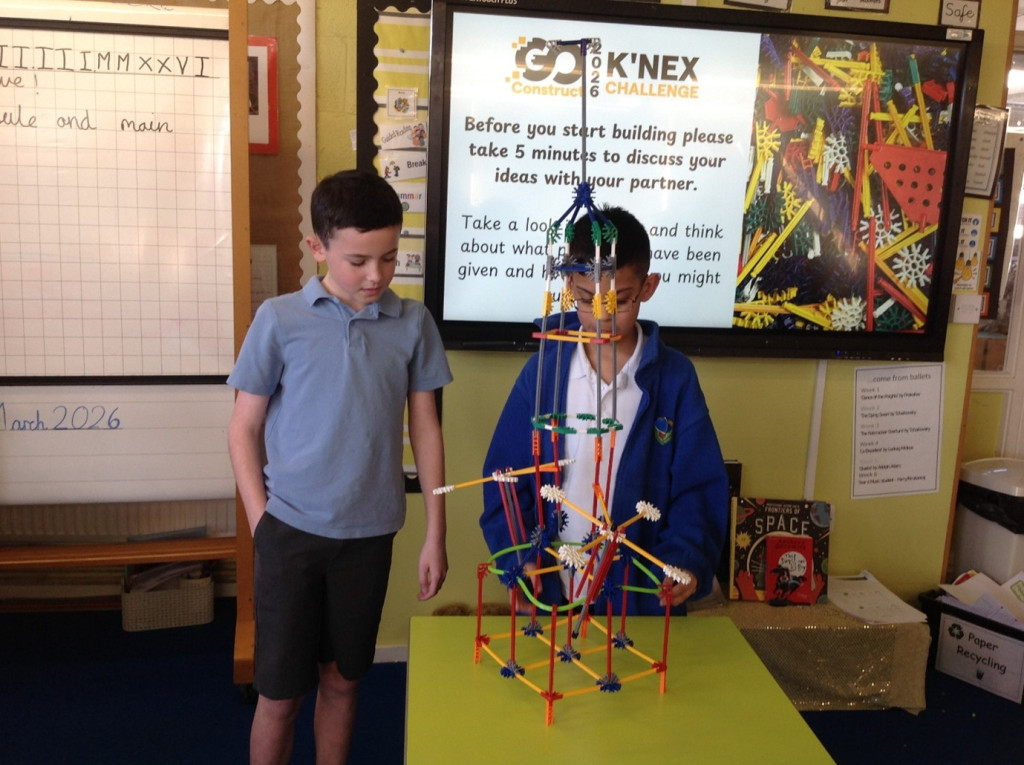
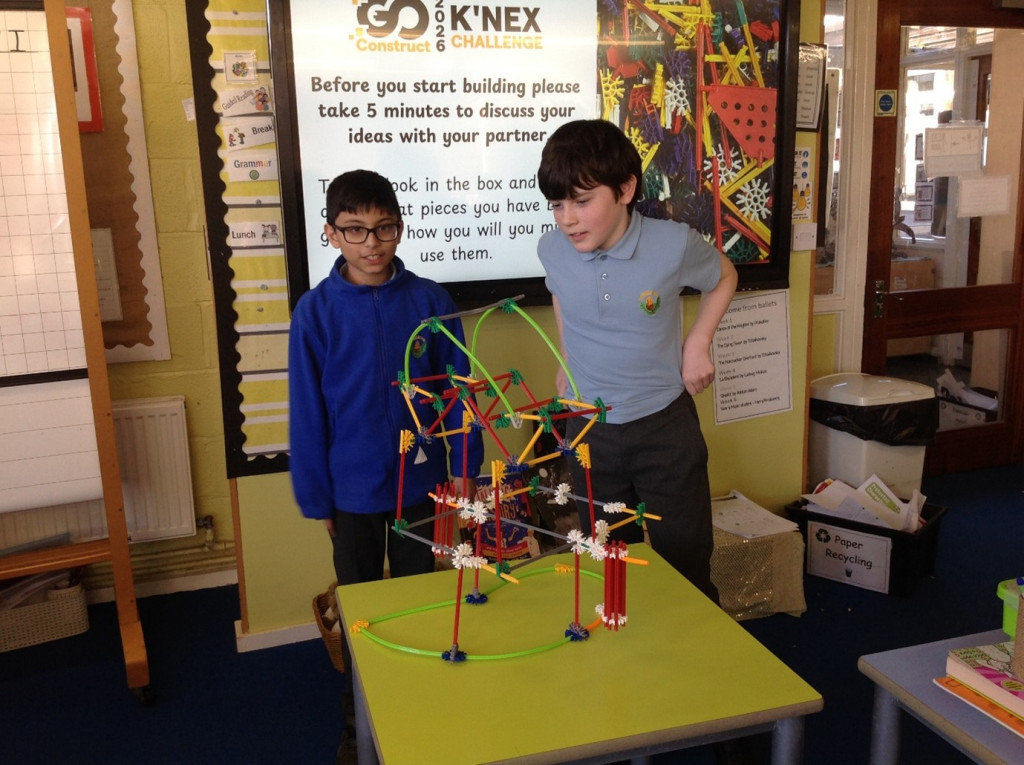
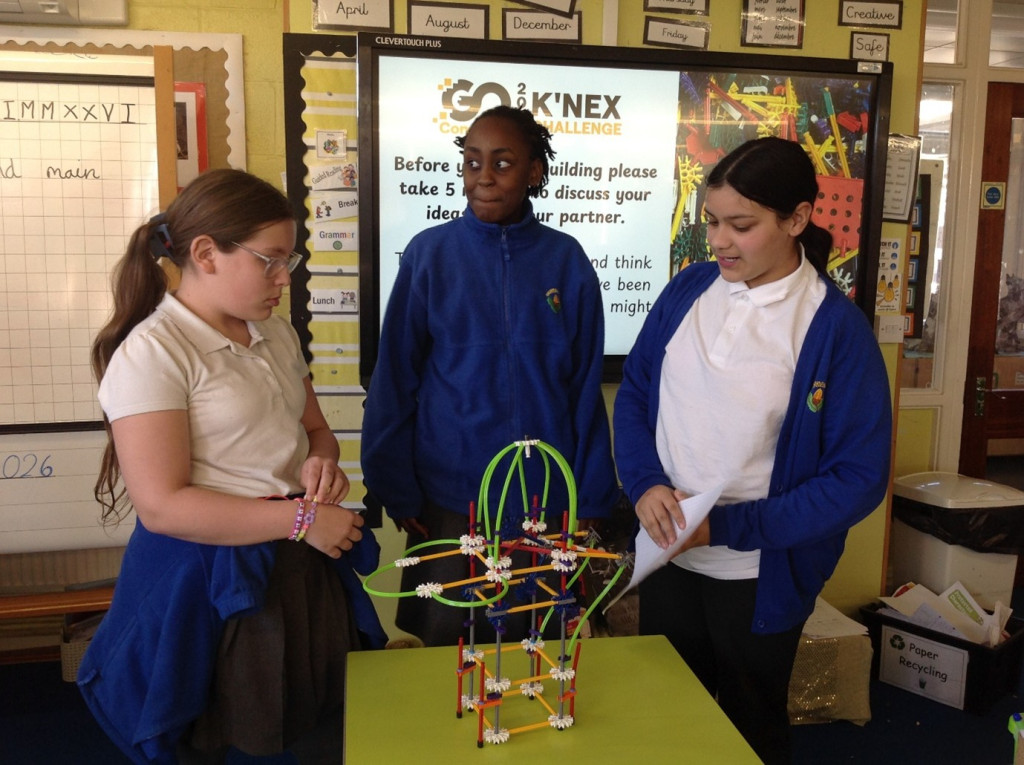
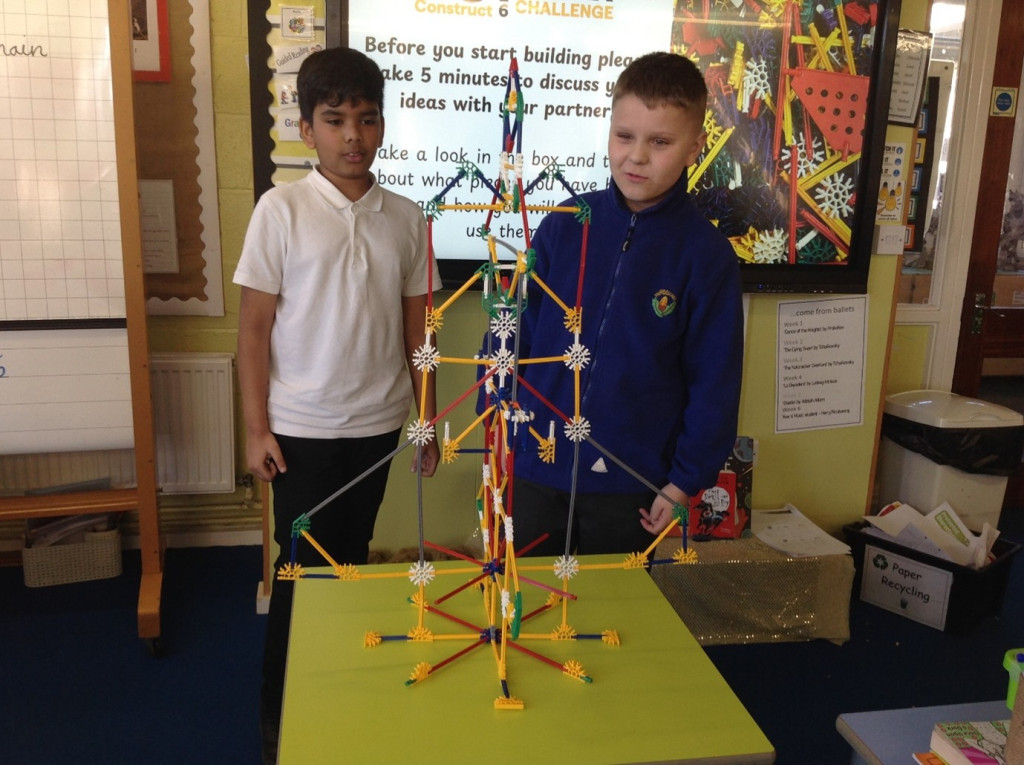
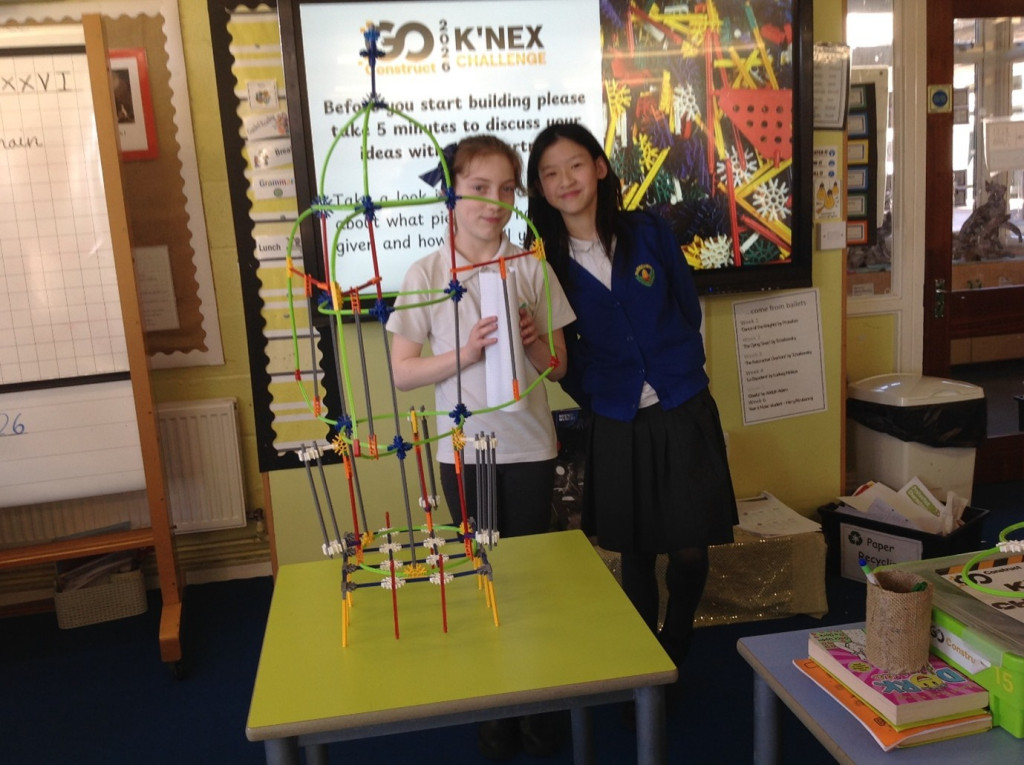
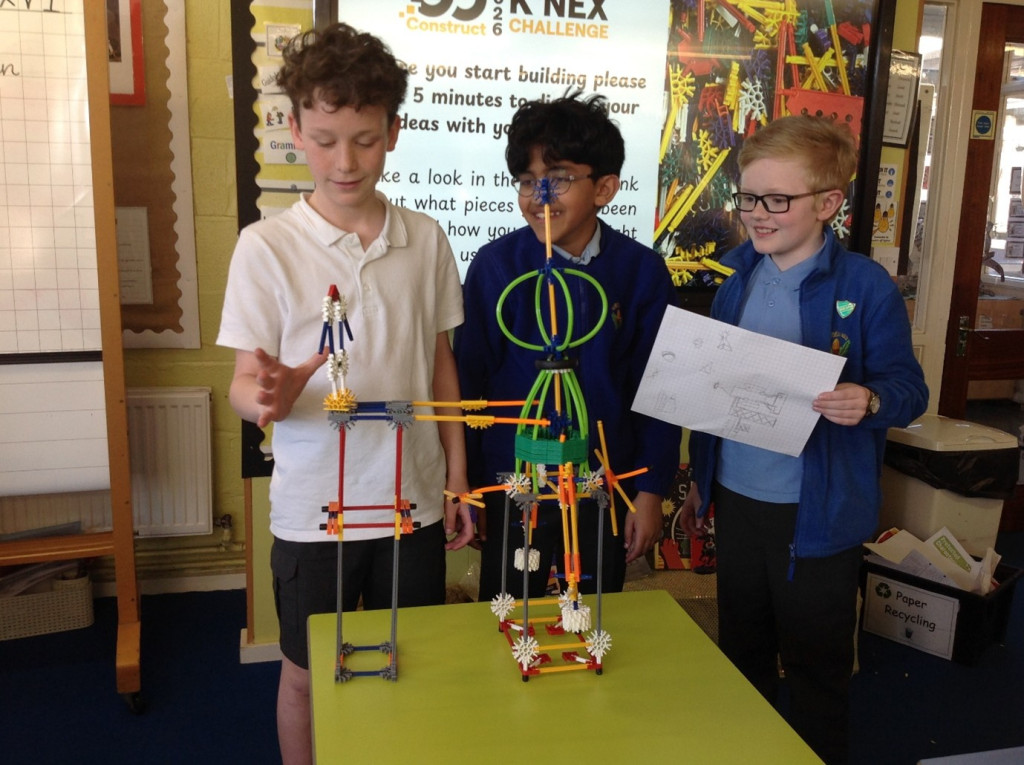
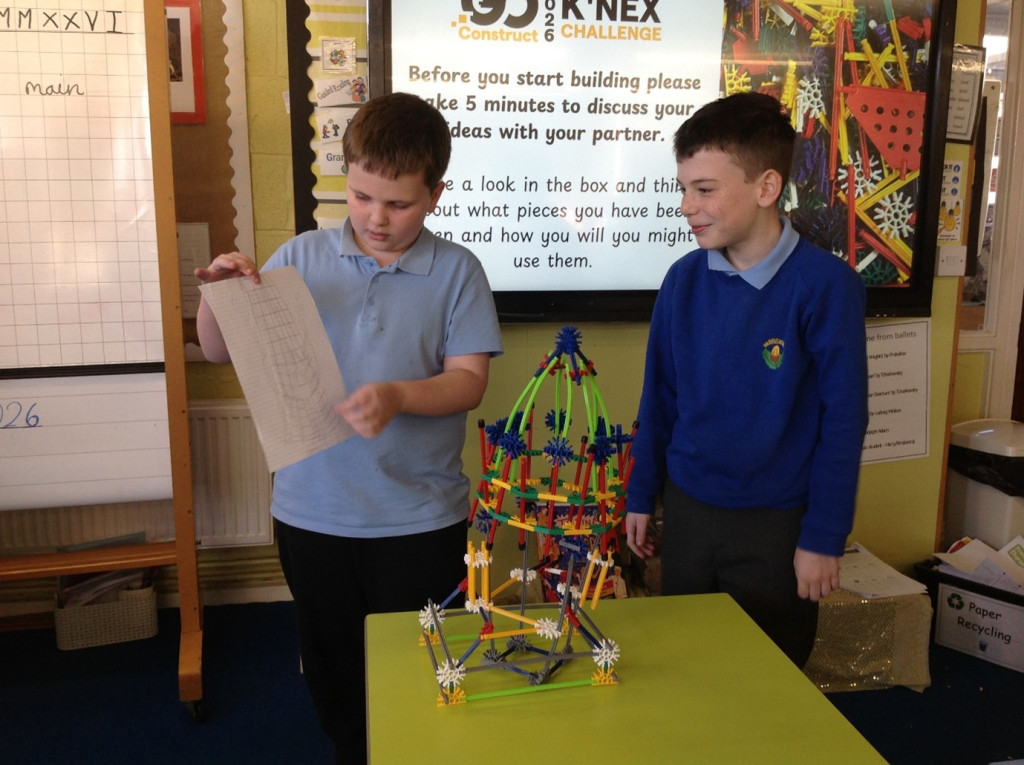
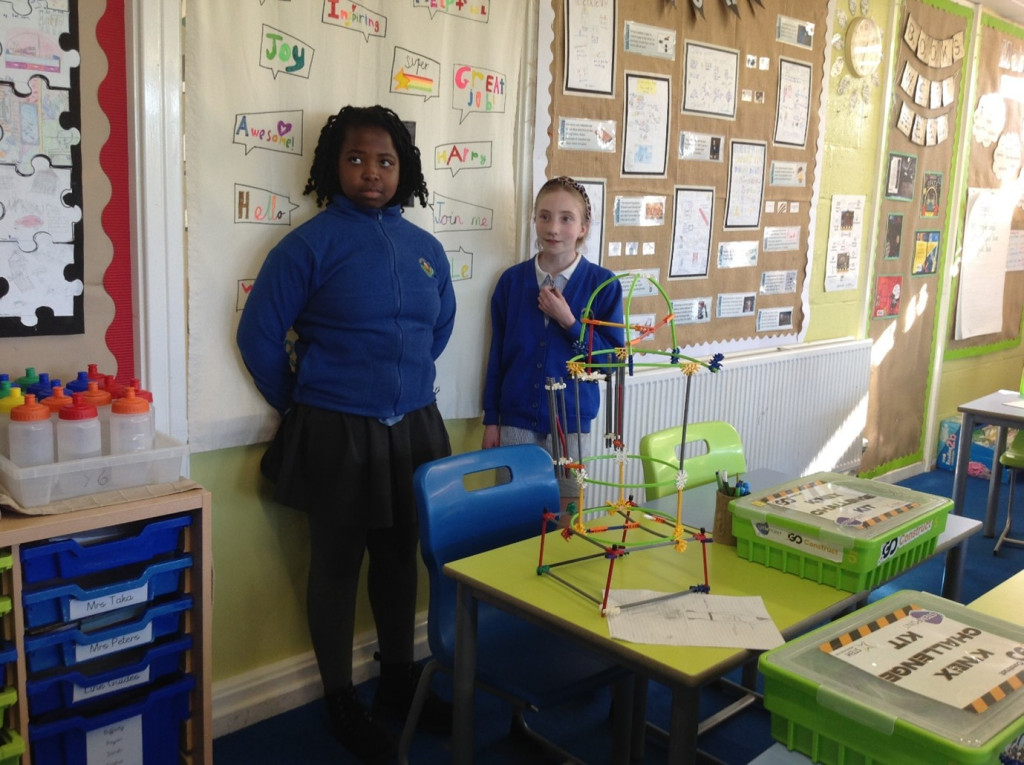
K’NEX STEM Challenge
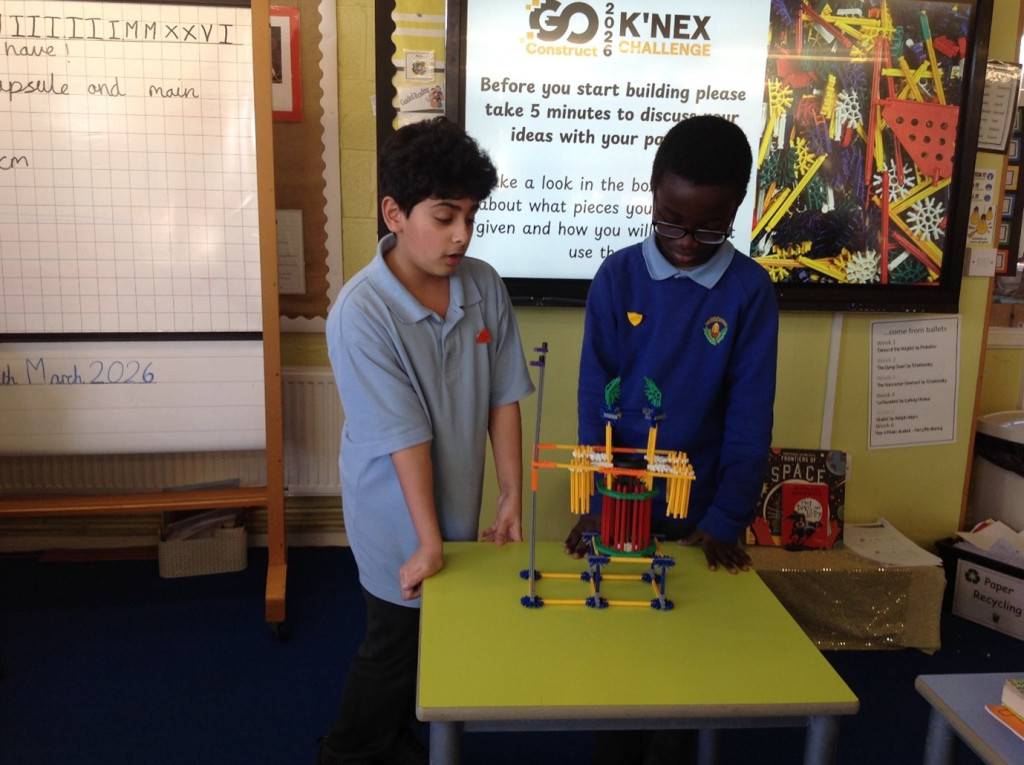
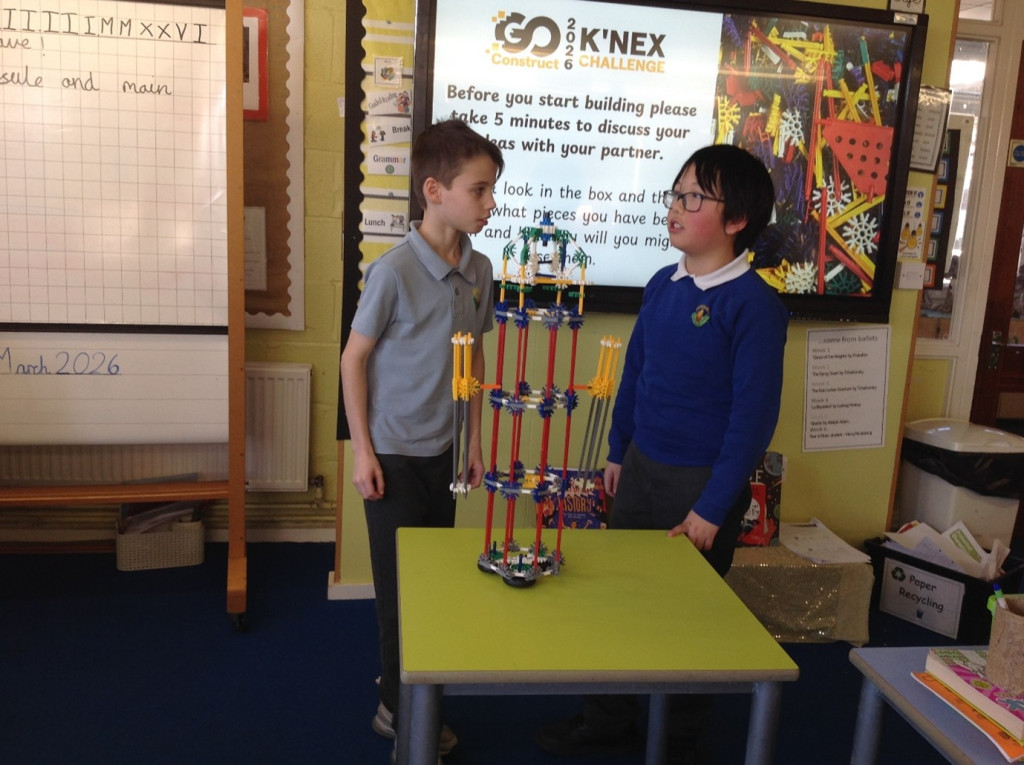
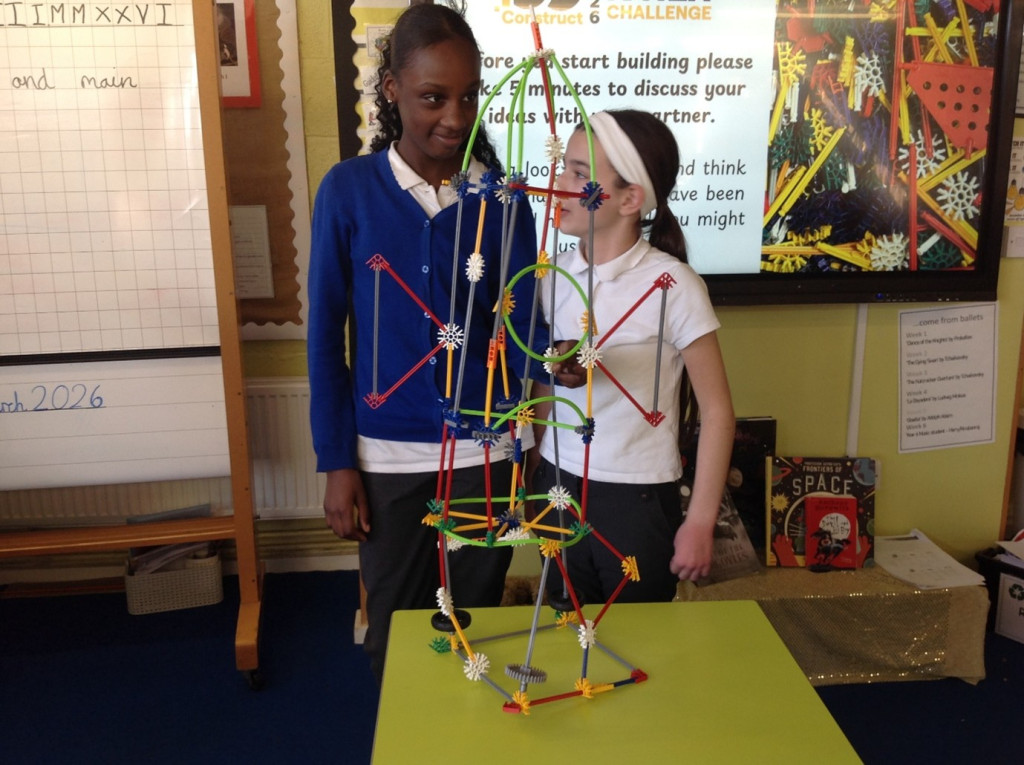
Class 6 took part in the annual K’NEX Challenge, a competition held across the county. Taking inspiration from recent space exploration projects, this year’s task was to design and build a rocket ship.
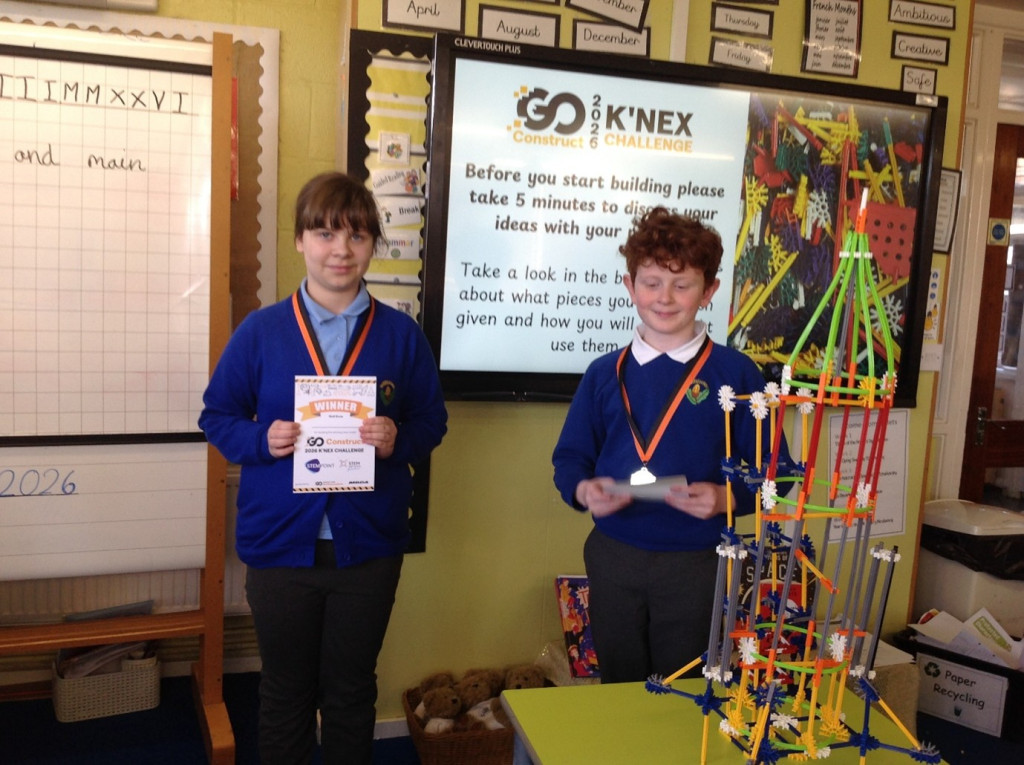
Class 6 had one hour to construct a rocket that met three conditions: it needed to include boosters that could detach, a capsule (for the astronauts) and be a height of over 20cm. Points were earned for all of these areas, as well as teamwork, listening skills, and problem-solving abilities.
The entire class worked incredibly hard, with every team creating a unique model. While the competition was tough, Maja and Alex were named the winners for their impressive rocket and launch platform. Well done to you both!
They will now progress to the regional final. Good luck!
-
Jul 022025
Fire lighting skills
After recalling the 3 points on a Fire Triangle and a safety talk, the pupils learnt the ‘Respect’ kneeling position when lighting a fire to help keep them safe.
Different types of Fire Steel and strikers were demonstrated.
After teasing out their ball of cotton wool, we practiced a technique to create a spark which would then ignite the cotton wool.
This skill was new to many of the pupils and they showed perseverance in practicing the skill and were delighted when they managed to cause the flame on the cotton.
When the cotton wool was alight, they stood back to watch for when the fire was safely out.
-
Mar 182025
Visit to Knebworth House
On the Tuesday 18th March, we went to Knebworth House as part of our Tudors topic in history.
Firstly, we went through the scenic gardens to get to the house. We were greeted by our guides who were dressed up in Tudor costumes as part of the tour. We sat down in the banqueting hall whilst our guides talked about the house and its relationship with the Tudors. The house owners (the Lytton family) were originally the treasurers to Henry VII. Holding up pictures and wearing tabards, some of the children acted out the timeline of the Tudors. The class were then split into two groups. Each group were given an empty bag to collect groats in. The groats were earnt by answering question correctly. At the end of the session the groats would be counted and the group with the most would get a special treat.
Library activity – The guide explained about Tudor education and the differences between what boys and girls learnt. Boys would be taught how to fight and read, whereas girls were taught to sew. One of the items shown was a quill. A quill was used to write, by dipping a it in to a pot of ink. The children then had a go at writing with a calligraphy pen in Tudor handwriting. It was difficult to add all the extra spirals and swirls.
Armoury activity – The children then moved into the armoury staircase where the guide talked about weapons and sports. There were big shields and lances that would have been used in a popular sport called jousting. During this game, the aim was to knock the other player off of their horse. It is possible that this is how Richard III died at the battle of Bosworth Field.
State Drawing Room – On the walk to the State Drawing Room the guide spoke about Coats-of Arms and heraldry. We saw that the Tudor coat of arms was a combination of his parent’s (Margaret Beaufort and Edmund Tudor) coats of arms. On the ceiling above the children there were lots of coats of arms, most from the Lytton family ancestry.
Just across the corridor was the Elizabeth Room, this is where Queen Elizabeth I stayed when the Spanish army were trying to attack her. The guide talked and showed the group a selection of Tudor clothing. He explained that if you wore black or purple clothing you would be thought of as very rich but if you were seen in cream or beige, a passer-by would know you were poor. A richer person may also have worn a ruff.
Controversially, a person with white teeth would be poor and someone with black teeth would be rich. This is because rich people would have had access to sugar whereas poor people would only have more nutritious foods like vegetables.
Banqueting Hall activity – Once in the Banqueting Hall there was a selection of Tudor musical instruments which included a lyre, some drums and a recorder that some children had the opportunity to play. We then took part in a dance lesson, where we were shown the Tudor Pavan dance. There were only three steps to learn and this dance would have been performed to show off fancy clothes.
As our last thing before lunch, we counted up the groats and performed a ceremony. A member of the winning team was Queen Elizabeth I and a member of the other team was knighted.
After lunch, the class spent the afternoon in the gardens. They were given their Knebworth House booklets, which they had previously made at school, and they drew pictures of plants, griffins, grotesques gargoyles and fountains.
-
Feb 042025
Evolution and Inheritance with Dr Helen Waterhouse
Evolution
On Tuesday 4th February, we were visited by Dr Helen, a palaeontologist from Palaeoquest, who visits schools to teach children all about ancient life forms, evolution and inheritance. During our first set of workshops, we focused on evolution. We learnt all about the formation of fossils and looked at the layering of sedimentary rock over time.
In groups, we examined real and replica fossil specimens from as far back as 520 million years ago to as ‘recently’ as 4 million years ago. We used tables to record our observations regarding which particular creatures were in existence over time.
Once we had collected the data, we evaluated our findings and compared the evidence of life forms over millions of years. We noticed that the further back in time you go, the less examples of fossils, and evidence of life, you can find. We also observed that 520 million years ago, all life was underwater.
Inheritance
In our second set of workshops, we looked at further evidence of evolution when we focused on inheritance. We looked at DNA (deoxyribonucleic acid) replicas and used decoding resources to work out what the DNA contained instructions for. Using the decoding devices, we predicted which living organism would be created from the different DNA structures. Lastly, we compared the DNA to see which organisms had lots in common. We traced back to identify their common ancestors.
-